For research use only · Not for human or animal consumption
Independent research. Elevated standards.
Precision starts with clarity.
Apexium Bio Lab supplies research-use-only peptides and blends to qualified U.S. and Canadian researchers. Explore clear strengths and pricing, with lot-specific documentation available for every product offered.
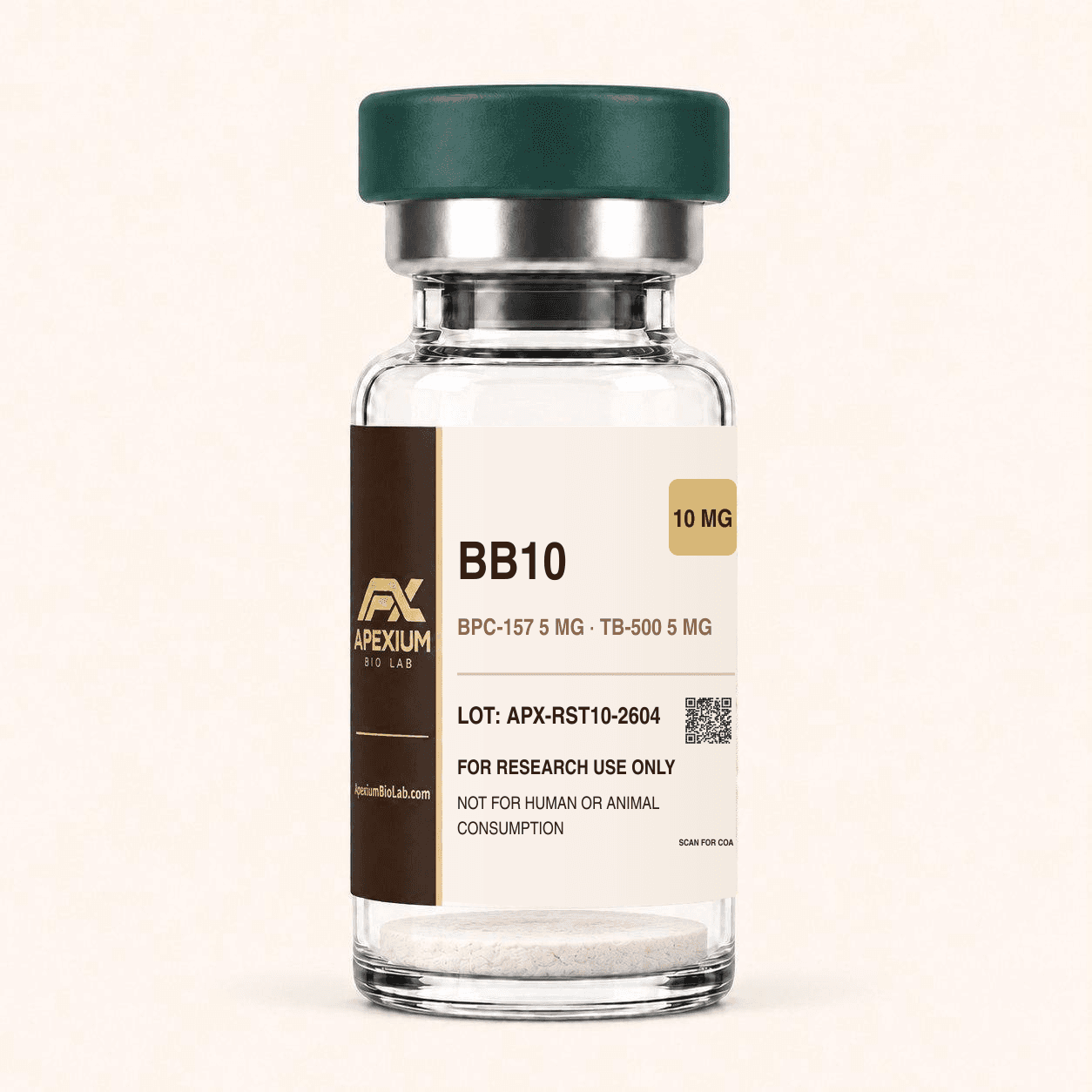
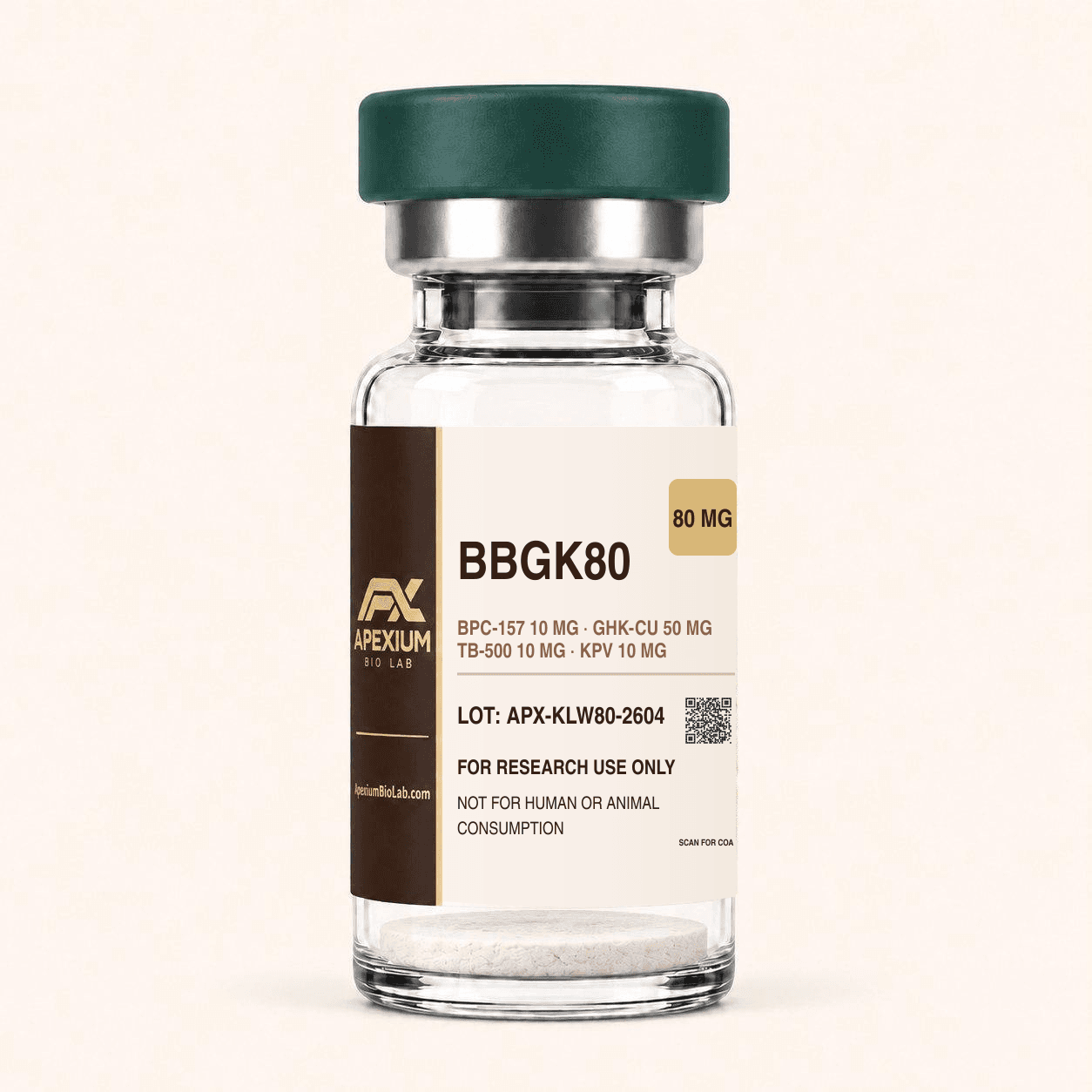
A paired blend combining BPC-157 and TB-500 in one vial format for investigators studying overlapping tissue-repair, angiogenic, and cell-migration pathways.
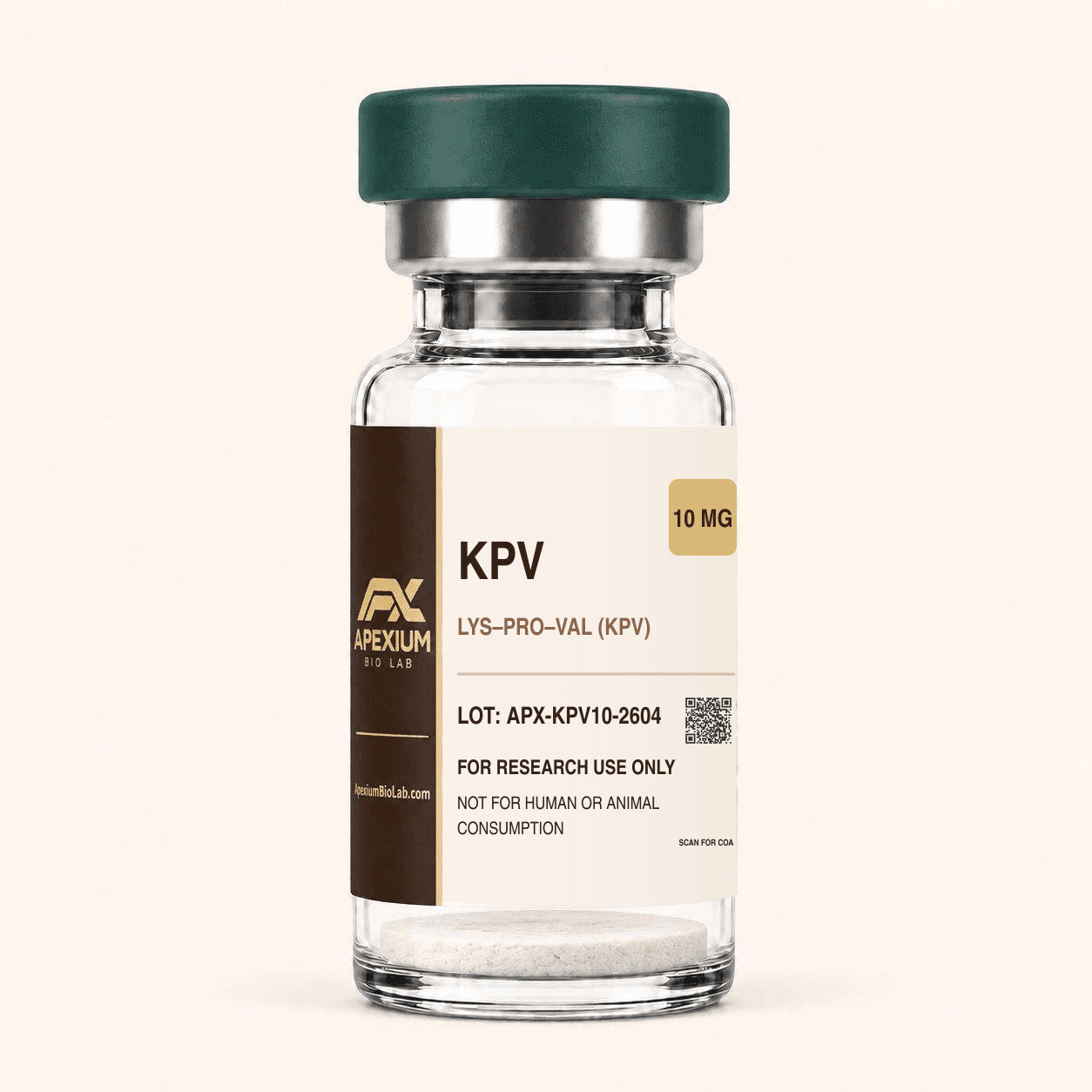
A three-amino-acid alpha-MSH fragment studied in laboratory models of inflammatory signaling, epithelial barrier pathways, and peptide transporter activity.
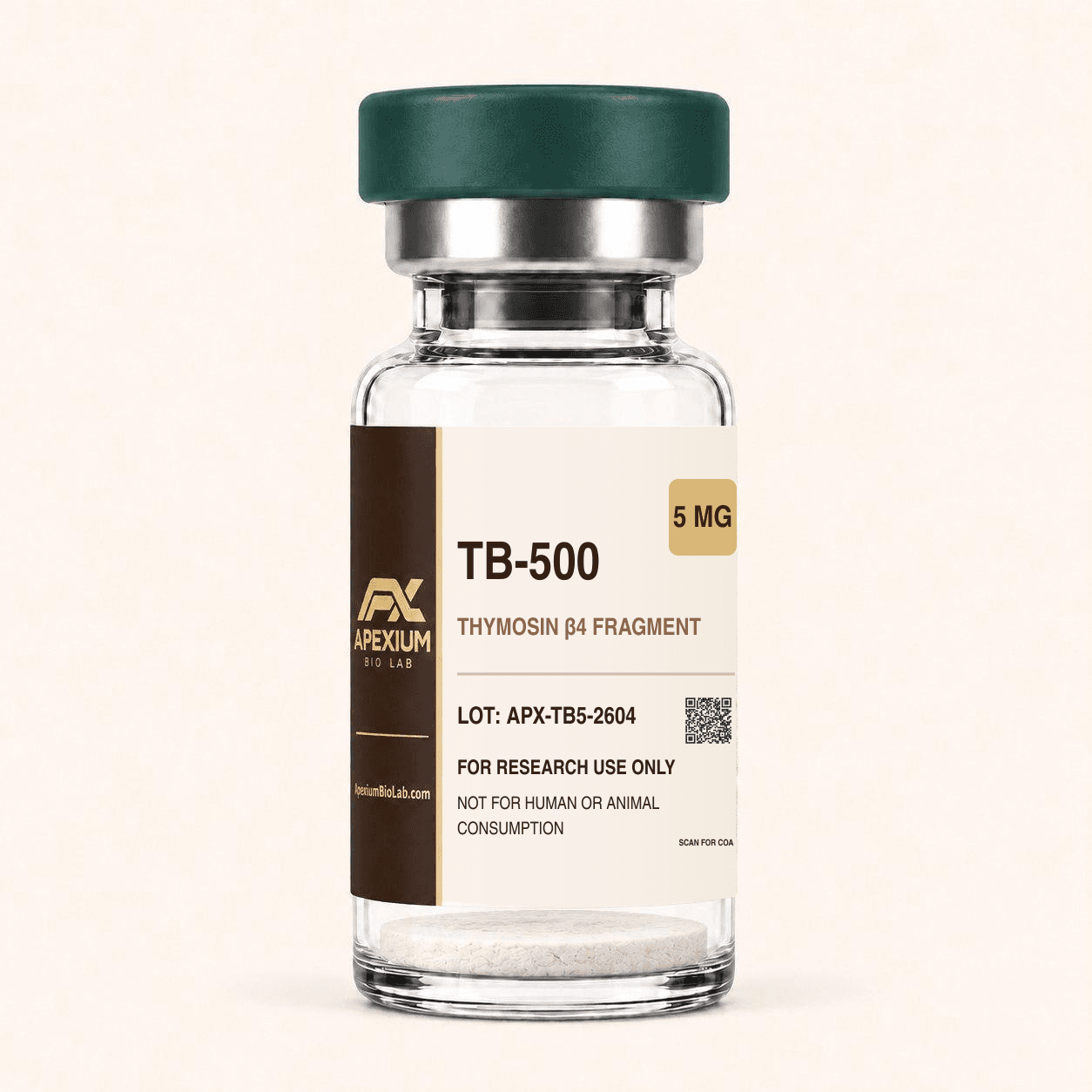
A synthetic peptide corresponding to an active region of Thymosin β4, an actin-binding protein involved in cell migration and wound repair in preclinical models.
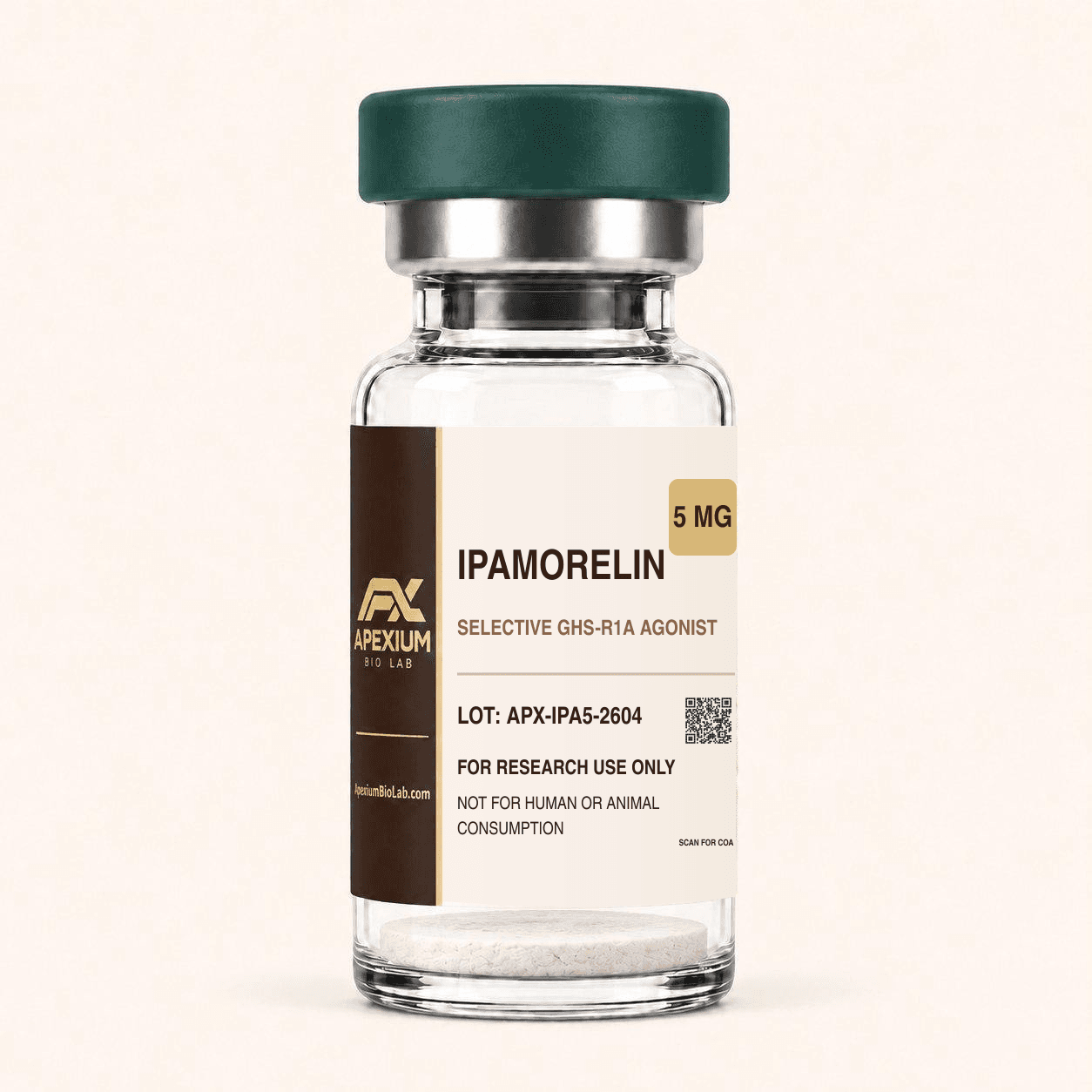
A pentapeptide growth hormone secretagogue receptor agonist developed as a research tool for selective GH release without significant cortisol or prolactin elevation in published preclinical models.
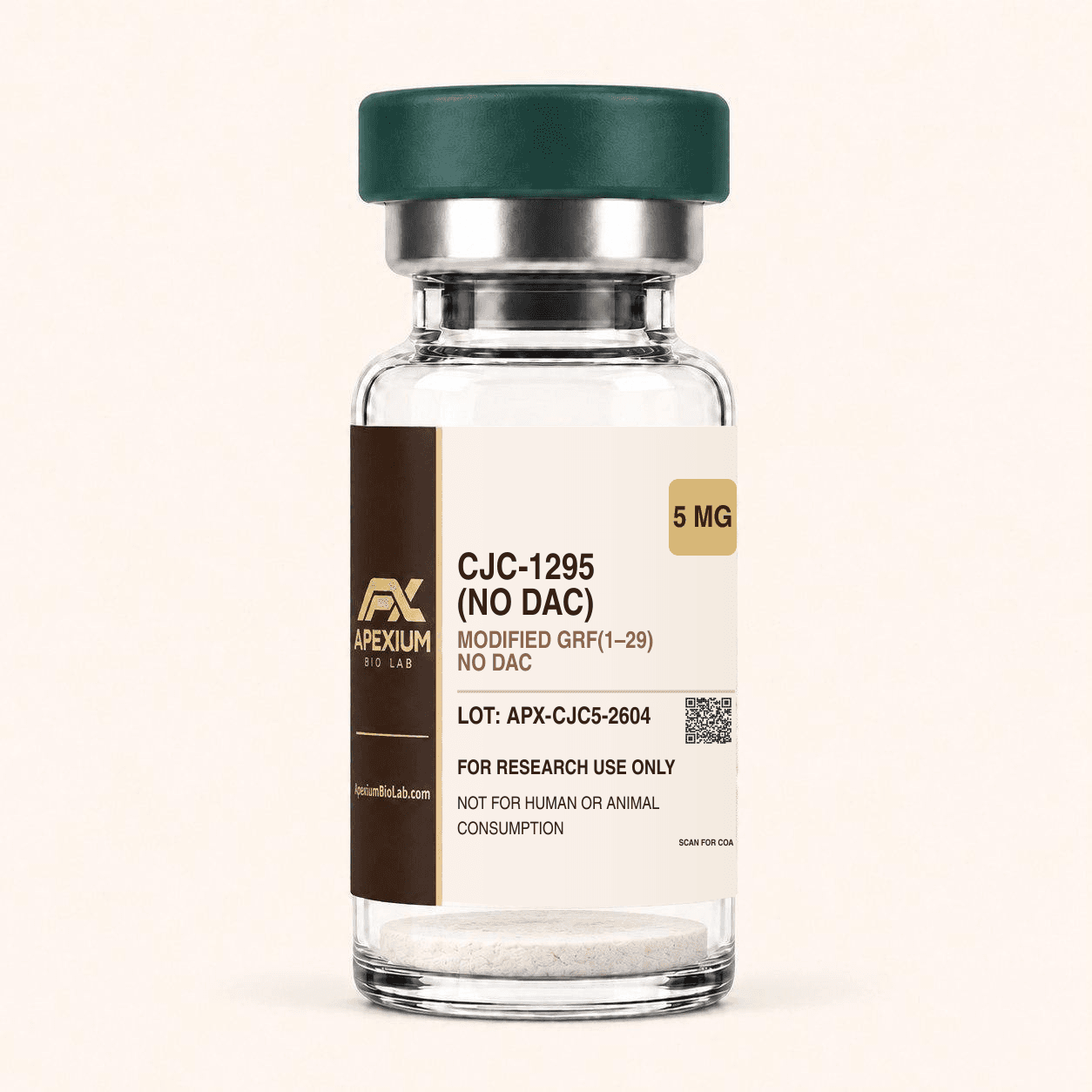
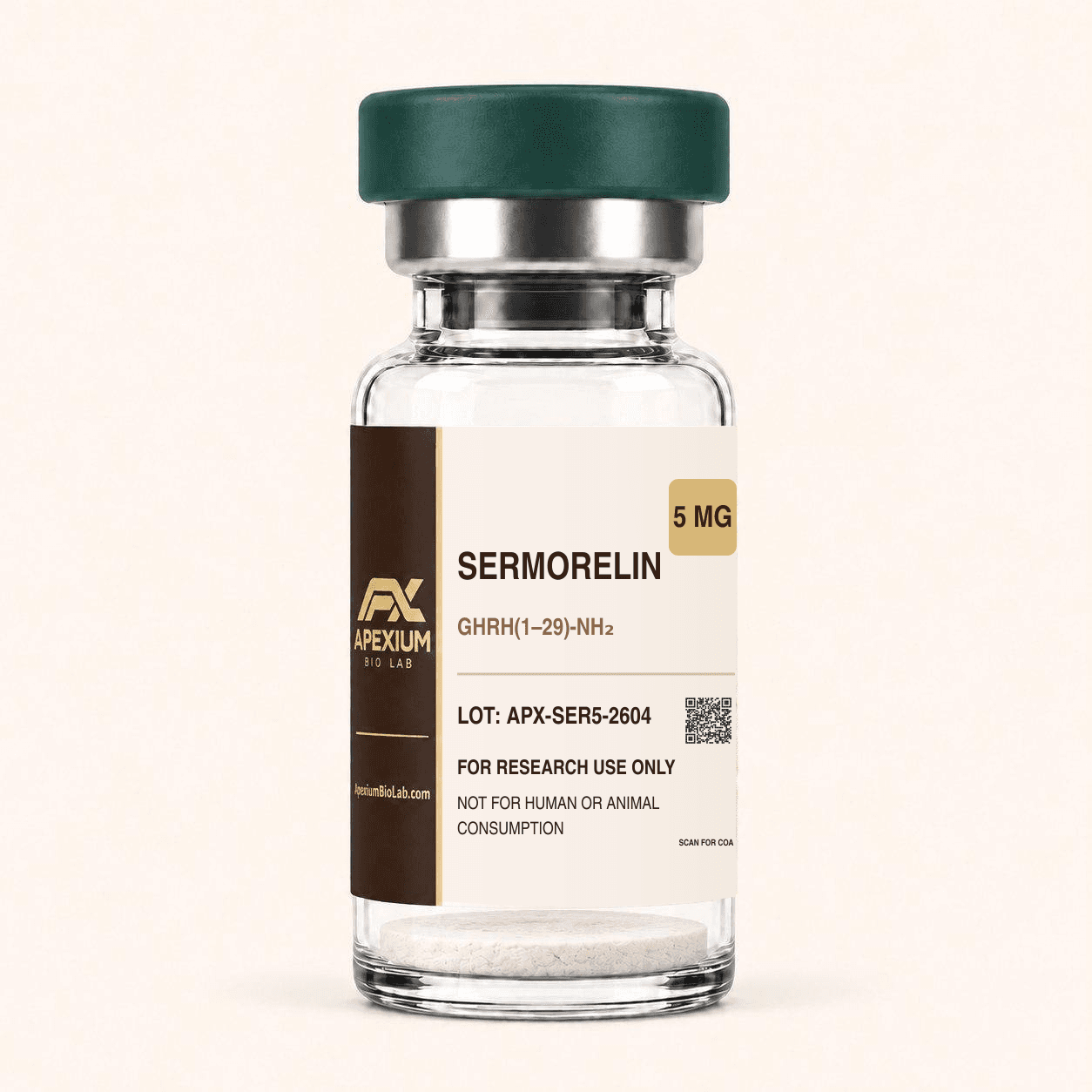
A 29-amino-acid amidated fragment corresponding to the active N-terminal region of growth hormone-releasing hormone, used in laboratory research on GHRH receptor signaling and pituitary GH-axis models.
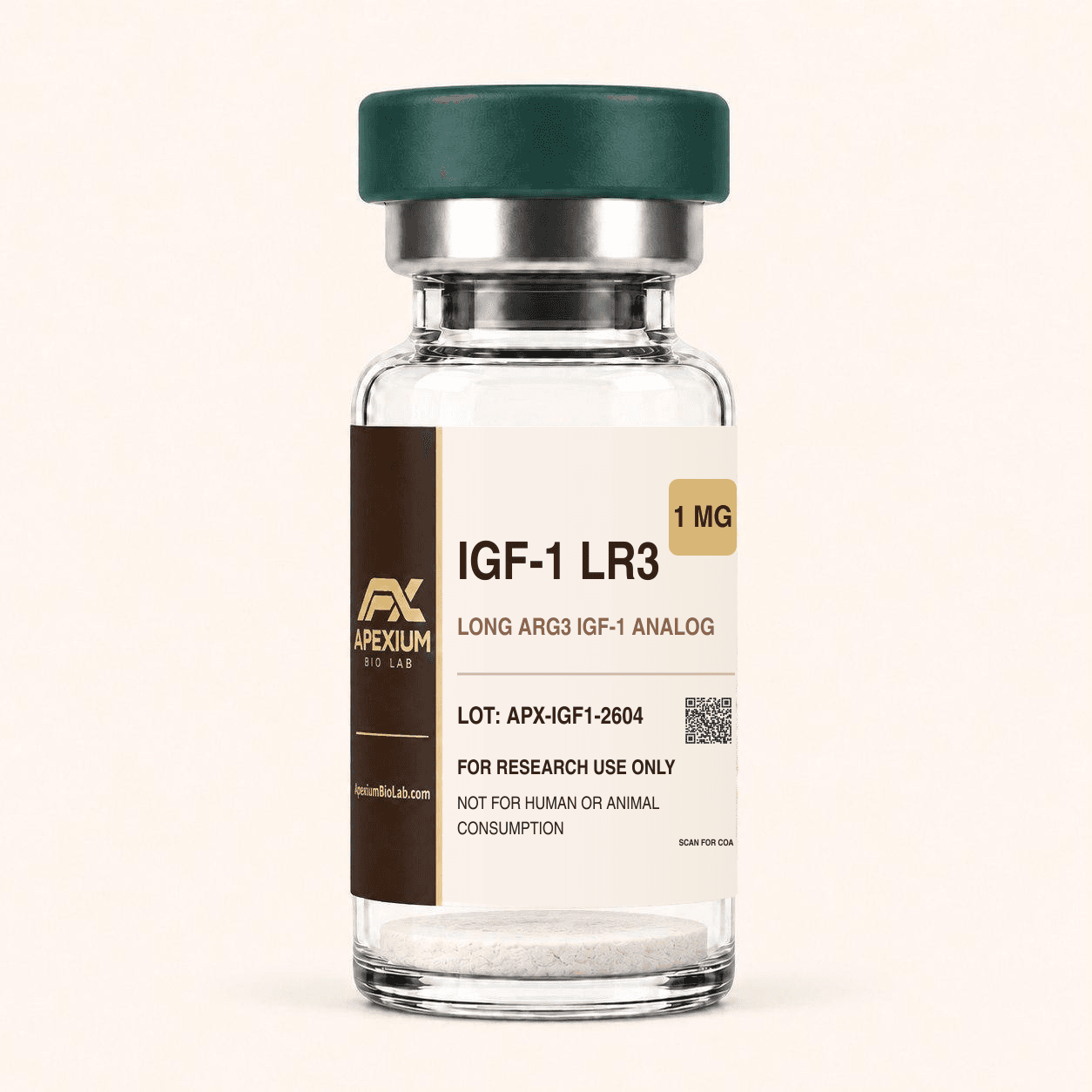
A long R3 analog of insulin-like growth factor 1 used in laboratory research on IGF-1 receptor signaling, binding-protein interactions, and growth-factor pathway models.
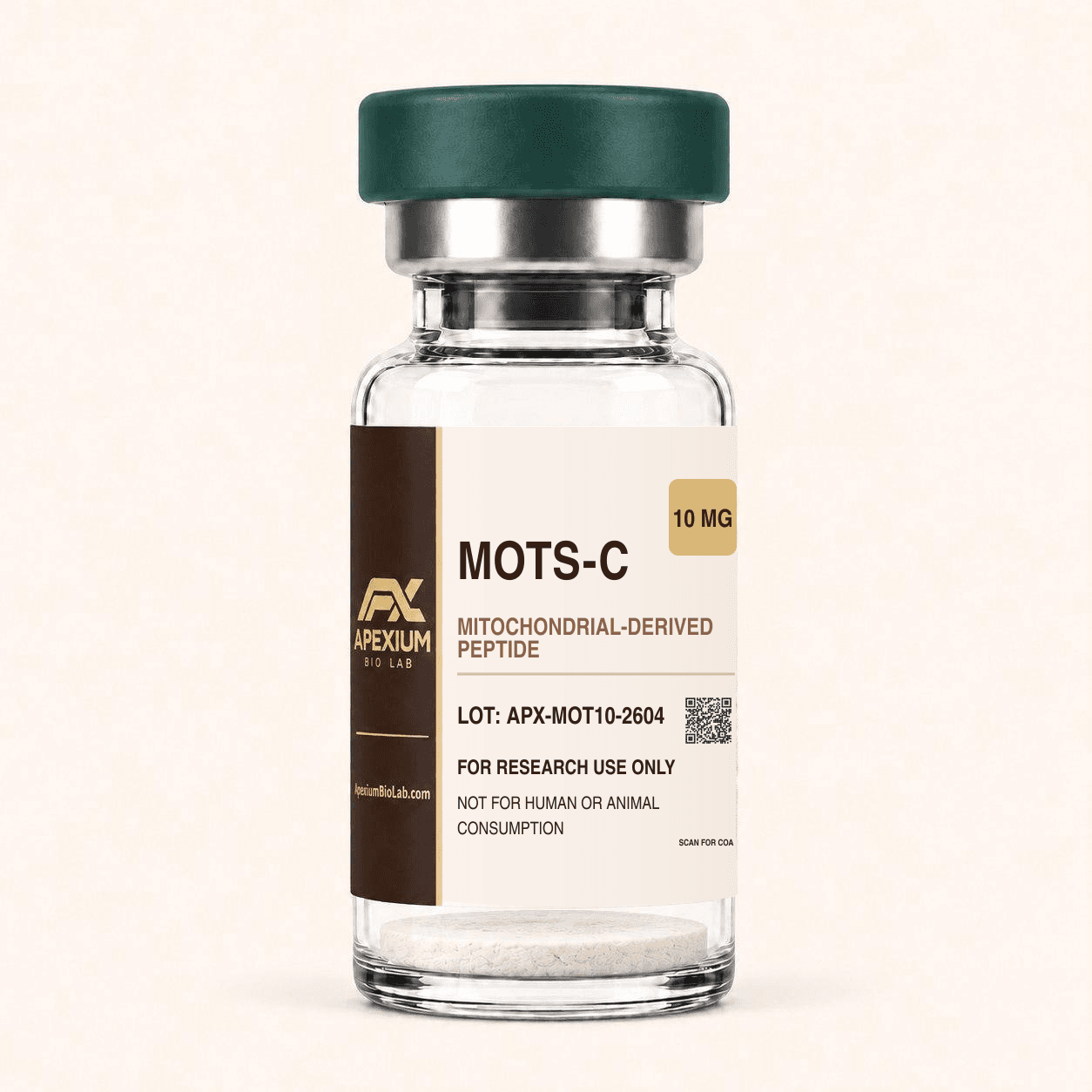
A 16-amino-acid peptide encoded within the mitochondrial 12S rRNA region, studied as a metabolic signaling molecule and modulator of AMPK-dependent pathways.
A short tetrapeptide first characterized in Russian longevity research as a putative bioregulator of pineal function and telomerase activity in preclinical models.
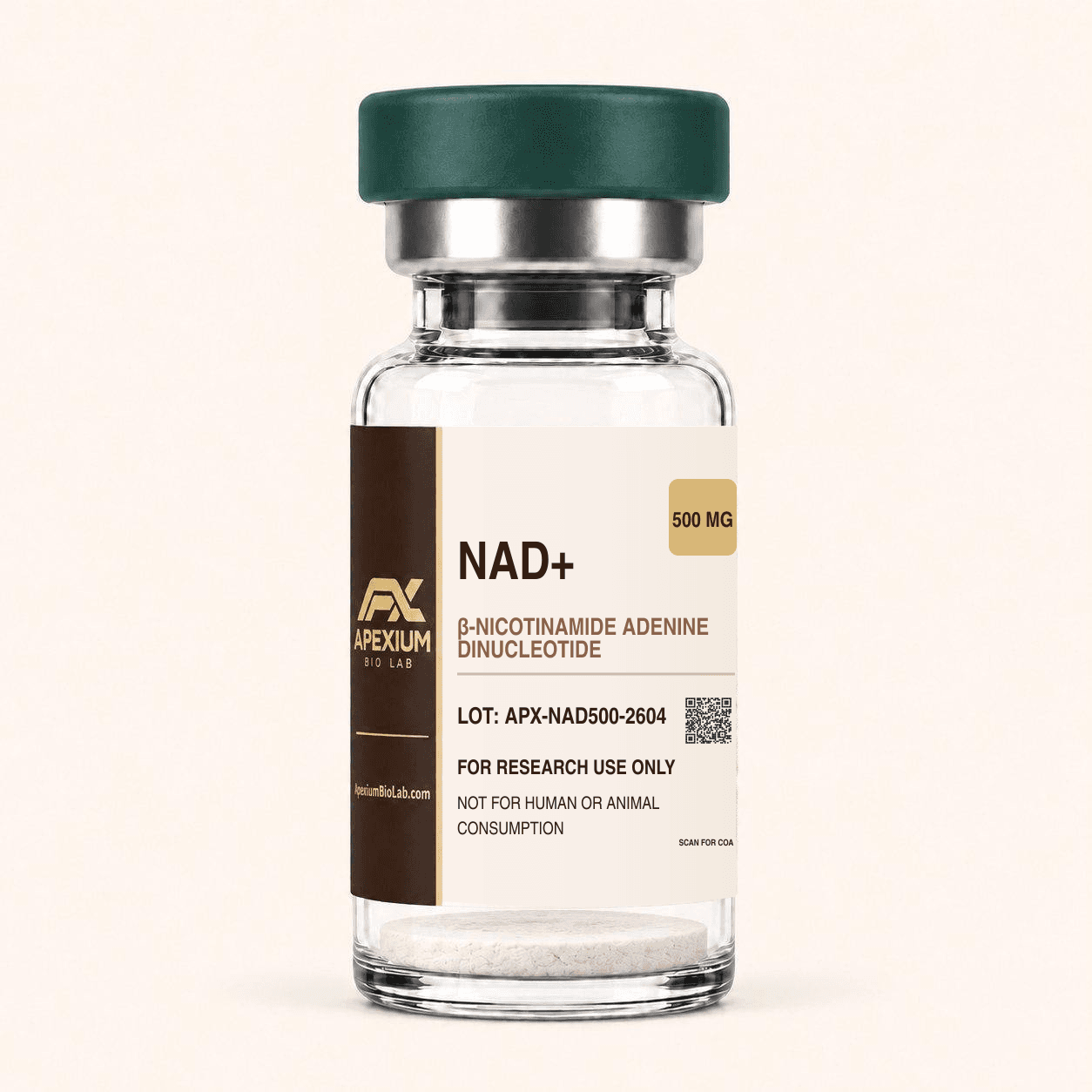
The oxidized form of nicotinamide adenine dinucleotide, supplied as a reference standard for redox biology, mitochondrial function, and sirtuin-pathway studies.
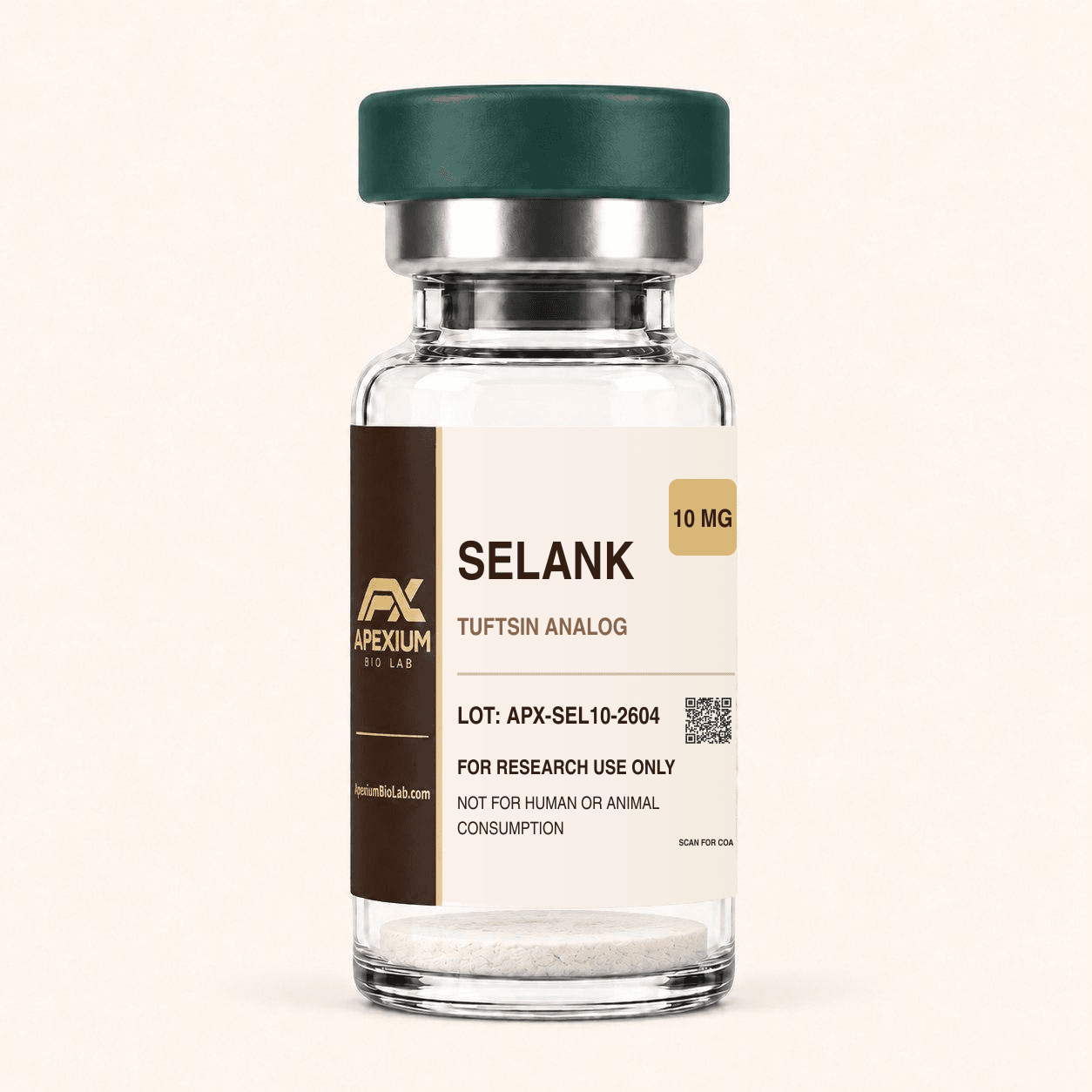
A synthetic heptapeptide analog of tuftsin studied in laboratory models of neuroimmune signaling, peptidase stability, and CNS-adjacent research pathways.
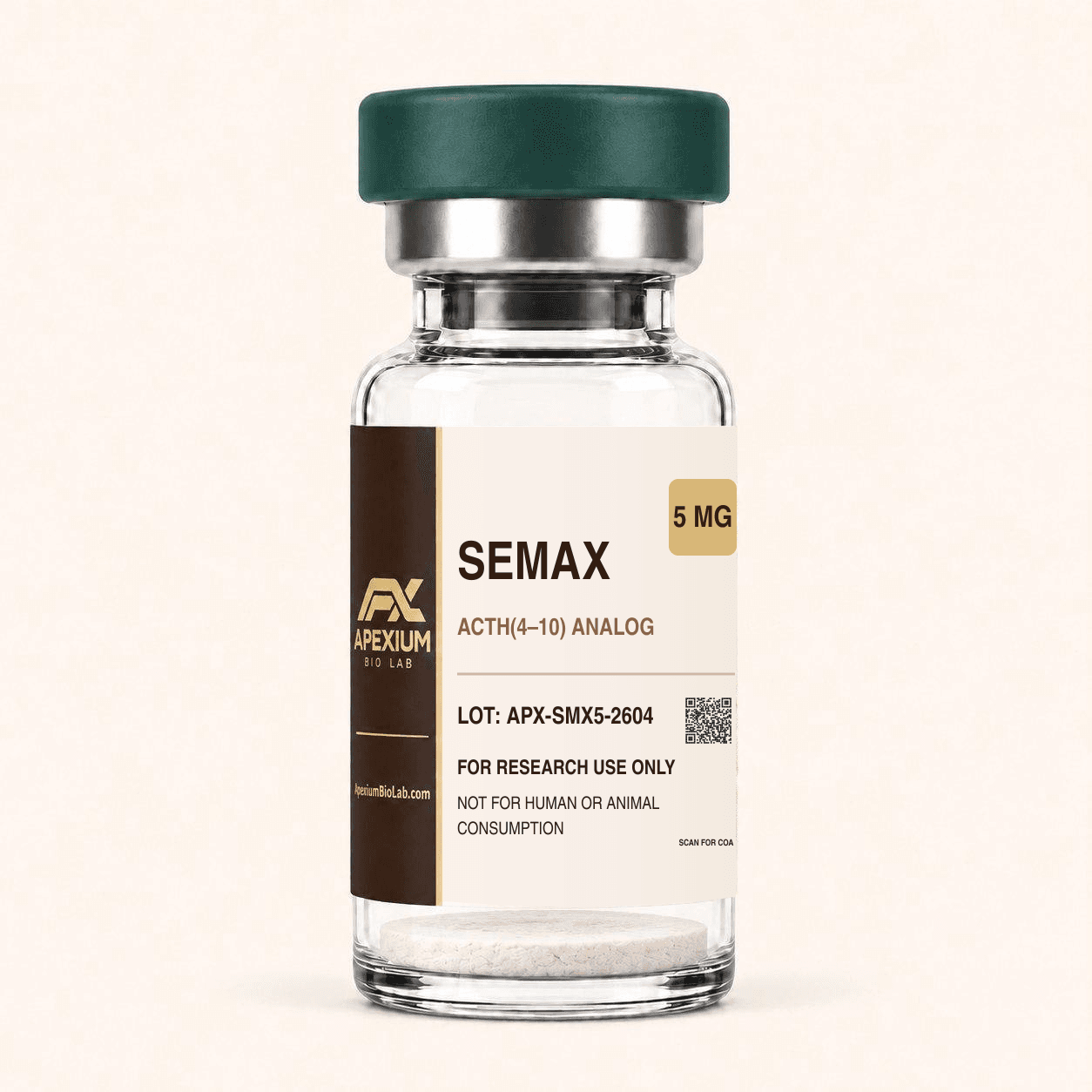
A synthetic ACTH(4-10) analog studied in laboratory research on neurotrophic signaling, melanocortin-adjacent pathways, and peptide stability in CNS models.
Apexium products are supported by lot-specific records and a fulfillment workflow built for reliable research purchasing. Product identity, strength, and order details remain clear from catalog to checkout.